

The European Union (EU) is a political and economic organization of 27 countries in Europe.
It was established to promote economic cooperation, free movement, free trade, and peace among its member states.
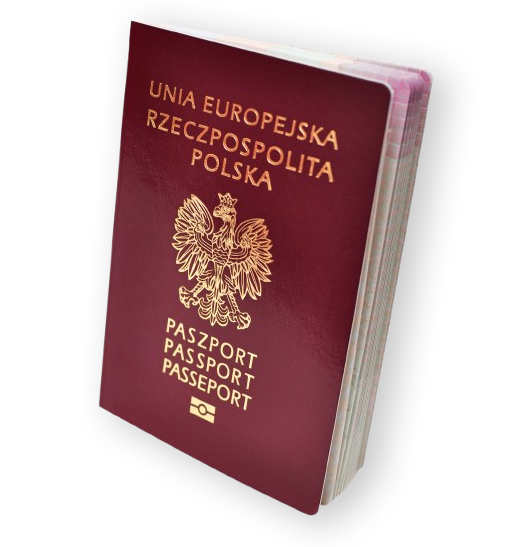
As a citizen of an EU member state, you receive a European passport, which grants you numerous benefits:
Freedom to live, work, and study in all EU countries
An EU citizen can live, work, and study in any of the 27 EU countries without the need for a visa or work permit.
For example, a Portuguese citizen can move to France and work there without restrictions, just like a local citizen.
These rights also apply in countries outside the EU but within the EEA (such as Norway and Switzerland).
A strong passport with access to over 190 countries visa-free
A Portuguese, Polish, or Netherlands passport allows free entry to over 190 countries. Most European passports participate in the ESTA program, enabling easy entry to the USA without a prior visa.
Access to European education at low costs
European citizens pay significantly lower tuition fees at public universities within the EU.
Special scholarships and grants are available for European students, including programs like Erasmus+, which allow studying abroad.
Healthcare services and medical mobility
European citizens are entitled to reduced-cost or free healthcare services in other EU countries using the European Health Insurance Card (EHIC).
For example, a Polish citizen traveling to Germany can receive public medical treatment just like any German citizen.
Citizenship options for children and future generations
European citizenship is hereditary – your children automatically receive citizenship and can enjoy all associated rights.
in some countries like Poland, citizenship can also be passed on to grandchildren and subsequent generations.
Investment and business management opportunities
European citizens can establish a business and open a bank account in any EU country without restrictions.
They also have access to loans and government support for new businesses.
Freedom to live, work, and study in all 27 EU countries
A strong passport with visa-free access to 190+ countries
Subsidized education and numerous academic opportunities
Access to public healthcare services across the EU
Ability to pass citizenship to children and grandchildren
Economic advantages and freedom to invest in EU countries